Brain Embroidery Design: A Designer’s Honest Review for Real Projects
First Impressions: Unique and Detailed for Niche Appeal
As an embroidery designer who regularly sources digital embroidery files from Creative Fabrica, I was immediately drawn to the Brain Embroidery Design. The design stands out with its intricate detail and slightly edgy visual mood. It's not your typical floral or script design — this one feels more like a statement piece. Whether for a science-themed tote bag or a custom sweatshirt, it has the potential to elevate a handmade product with a unique personality.
Visual Style and Embroidery Personality
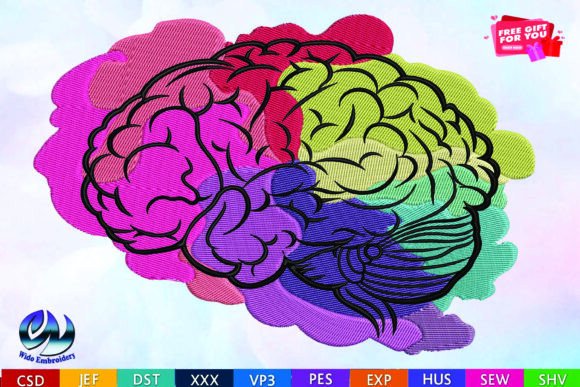
The Brain Embroidery Design blends satin stitch outlines with layered fill stitch textures that mimic the folds and ridges of a human brain. This gives it a dimensional look even when stitched flat. The decorative appeal leans more toward novelty and niche markets — perfect for Etsy sellers or boutique shops targeting science lovers, medical professionals, or Halloween-themed merchandise.
From a design standpoint, it strikes a good balance between complexity and clarity. The stitch lines are clean, and the design maintains its shape well across different sizes, which is a key consideration when working with machine embroidery designs.
Real-World Use: From Sweatshirts to Patches
I considered using this design for a line of themed baby blankets and nursery decor, but quickly realized it might be better suited for older audiences. That said, it could work beautifully on:
- Custom tote bags for educators or science enthusiasts
- Lab coat embroidery for personalized gifts
- Applique patches for denim jackets or backpacks
- Seasonal Halloween apparel or themed Etsy listings
The Brain Embroidery Design also has potential as a focal point on kitchen towels or pillow covers, especially in home offices or science-themed rooms. When stitched on a dark fabric, the contrast can really make the design pop — assuming the thread colors are chosen carefully.
Practical Embroidery Performance
Working with this design reminded me how important it is to test before stitching on a final product. The Brain Embroidery Design includes five sizes and ten formats, which is a big plus for flexibility. I tried the medium size on a stretchy cotton blend sweatshirt fabric and had no puckering when using a lightweight cutaway stabilizer.
One thing to watch: the smaller sizes can lose some of the fine detail. If you're planning to use it on a cap or curved surface, consider the stitch density and whether the design will hold up under tension. Dense areas may require a little extra hooping care to prevent shifting.
I also tested it on a textured kitchen towel fabric, and the satin stitch outlines held up well. However, on very stretchy or unstable fabrics, I recommend using a tear-away stabilizer underneath to prevent distortion.
Small Hoop Considerations
For those working with limited hoop space, the smallest size of the Brain Embroidery Design is still usable — though the level of detail is significantly reduced. It’s best reserved for larger hoop sizes if you want to maintain the design’s visual impact. If you're creating embroidered patches or applique designs, the mid to larger sizes will give the best results.
Thread and Fabric Contrast
Thread color selection is key. I tested several combinations and found that a white or light gray thread on a navy or black background gave the most dramatic effect. For lighter fabrics, using a darker thread with a satin stitch outline helped maintain clarity. Always test on scrap fabric before committing to your final product — especially when using textured or dark fabrics.
Design Value and Commercial Use
This design adds real value to handmade products. Its uniqueness can help your brand stand out in a saturated market like Etsy or craft fairs. As a designer, I appreciate that the Brain Embroidery Design has a strong visual hook — something that can spark conversation or customer engagement.
From a branding perspective, if you're selling themed merchandise or personalized gifts, this design can help maintain consistency across your product line. It’s especially effective when used in conjunction with printable mockups for product photography, helping customers visualize how it will look on different items.
Licensing and File Details
Before selling any finished product using the Brain Embroidery Design, I always double-check the licensing terms directly on the Creative Fabrica product page. As with all Creative Fabrica embroidery files, it's important to understand the permitted usage, especially for commercial embroidery projects. Always confirm the file formats included to ensure compatibility with your embroidery machine and software.
Tips for Best Results
To get the most out of the Brain Embroidery Design, here are a few practical tips I’ve learned through real project use:
- Test on scrap fabric first to check stitch density and thread contrast.
- Use the correct stabilizer based on fabric type — cutaway for stretchy materials, tear-away for stable weaves.
- Check small details after stitching, especially in smaller hoop sizes.
- Compare light and dark mockups to see which thread colors work best.
- Confirm hoop size and file format before starting your project.
These steps can help prevent costly mistakes and ensure your finished product looks professional and well-executed.
Final Thoughts: A Worthy Addition to Your Design Assets
The Brain Embroidery Design is more than just a novelty — it’s a versatile digital embroidery file that can add personality and marketability to your handmade products. Whether you're creating custom apparel, embroidered patches, or themed Etsy listings, this design offers a unique visual appeal that resonates with niche audiences.
For experienced embroidery designers and small business owners alike, it’s a smart choice when used thoughtfully. Just remember to test, plan, and evaluate your fabric and thread choices carefully. Done right, the Brain Embroidery Design can be a standout feature in your creative toolkit.